

The global SDGs funding gap exceeds USD 1.5 trillion annually. For Asia, the transition from passive ESG compliance to proactive impact investing is no longer optional—it’s urgent.
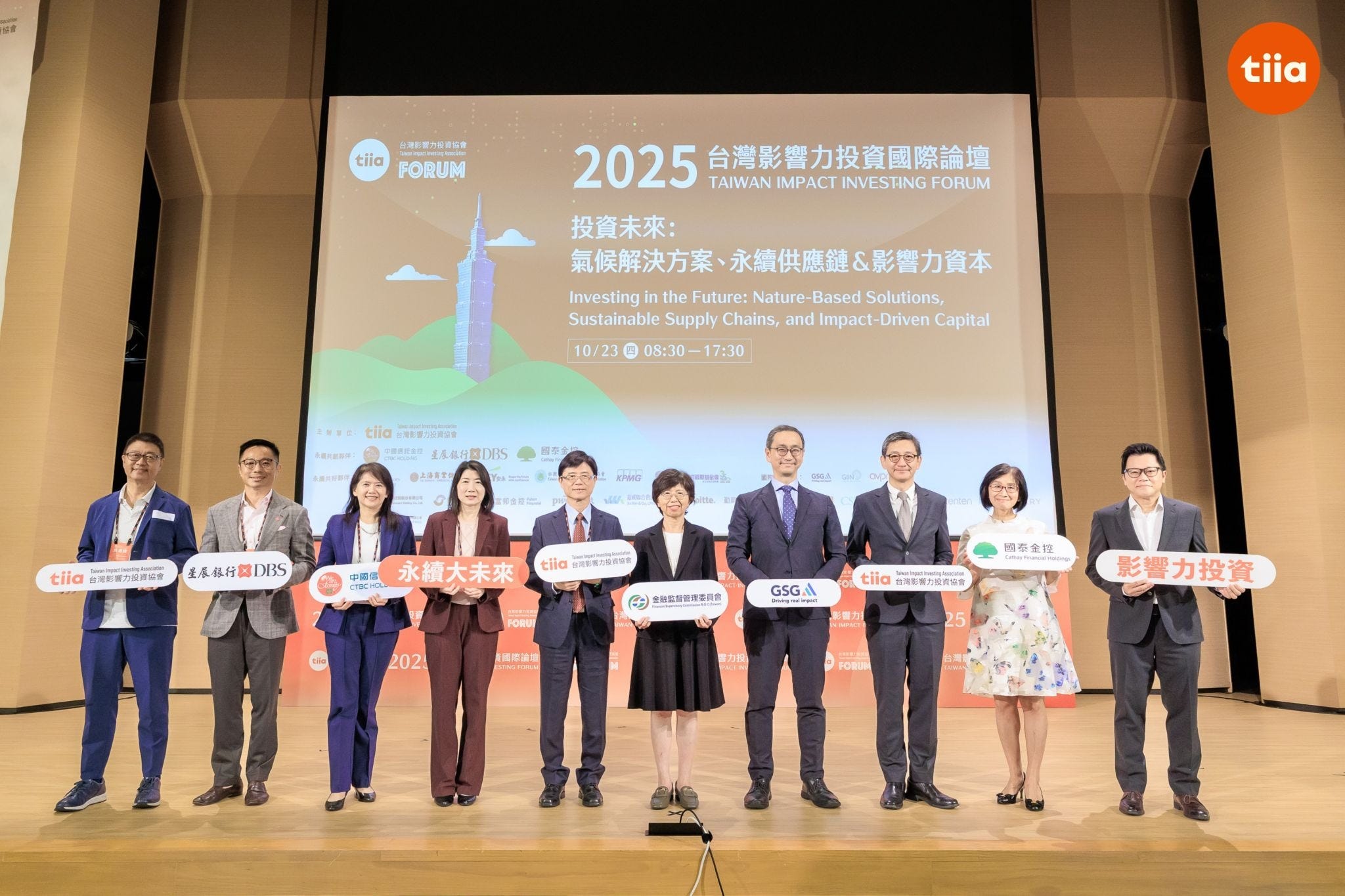
The 2025 Taiwan Impact Investing International Forum spotlighted one clear message: Scaling capital and building ecosystems require not solo efforts, but cross-sectoral collaboration and trust infrastructure.
From Risk Management to Intentionality: A Shift in Asian Capital
While Asia often follows a policy-driven model for impact investing, the global norm remains market-driven. At the heart of this divergence lies a critical element: intentionality.
If we aim for additionality—genuine social and environmental value beyond baseline performance—capital must go beyond risk mitigation toward clear social purpose.
This calls for catalytic mechanisms that bridge financial capital (driven by return) and philanthropic capital (driven by impact).
The Japan Case: Unlocking Dormant Capital Through Policy Innovation and Trust
Mr. Masataka Uo, Vice Chair of GSG Impact Japan, shared Japan’s bold move to unlock capital at the national level. In 2017, a cross-sector campaign led to legislation that redirected dormant bank accounts (inactive for 10+ years) into the Japan Social Impact Investment Foundation.
Despite initial political resistance that limited disbursements to grants, Japan gradually enabled these funds to support impact ventures with risk capital. This reform unlocked over a trillion yen in dormant capital and offered critical risk buffers for social innovation.
Uo also emphasized the catalytic role of philanthropic funds and the need for shared data and outcome evidence, not just good intentions.
Collaboration between knowledge capital and financial capital is key to building a self-reinforcing ecosystem.
Nature Capital in Action: The Role of Financial Institutions
Collaboration is also transforming natural capital markets.
Green Infrastructure: CTBC Holding, via long-term project finance, has led over NT$470 billion in offshore wind syndicated loans (as of 2024), reducing an estimated NT$16.5 billion in societal carbon costs—demonstrating a double bottom line of financial and environmental returns.
Blue Economy: Mizuho issued Japan’s first corporate blue bond, funding sustainable land-based aquaculture to reduce ocean pollution and CO₂, while investing in nature-tech startups bridging biodiversity and innovation.
Family Offices: Asia’s Catalytic Force in the Making
High-net-worth capital, particularly family offices, is shifting from wealth preservation to mission-driven investing. Taiwan’s next steps should focus on:
From Financial to Spiritual Capital: Impact investing can translate family legacy, values, and social capital into measurable outcomes.
Family Charters for Intentional Impact: Advisors should promote tools like family constitutions to embed sustainability into governance and investment frameworks.
Clear Standards & Policy Signals: A common language distinguishing ESG investing from impact investing is crucial—along with government support to create trusted, transparent mechanisms that empower professionals to guide capital toward impact.
Celebrating Momentum & Looking Ahead
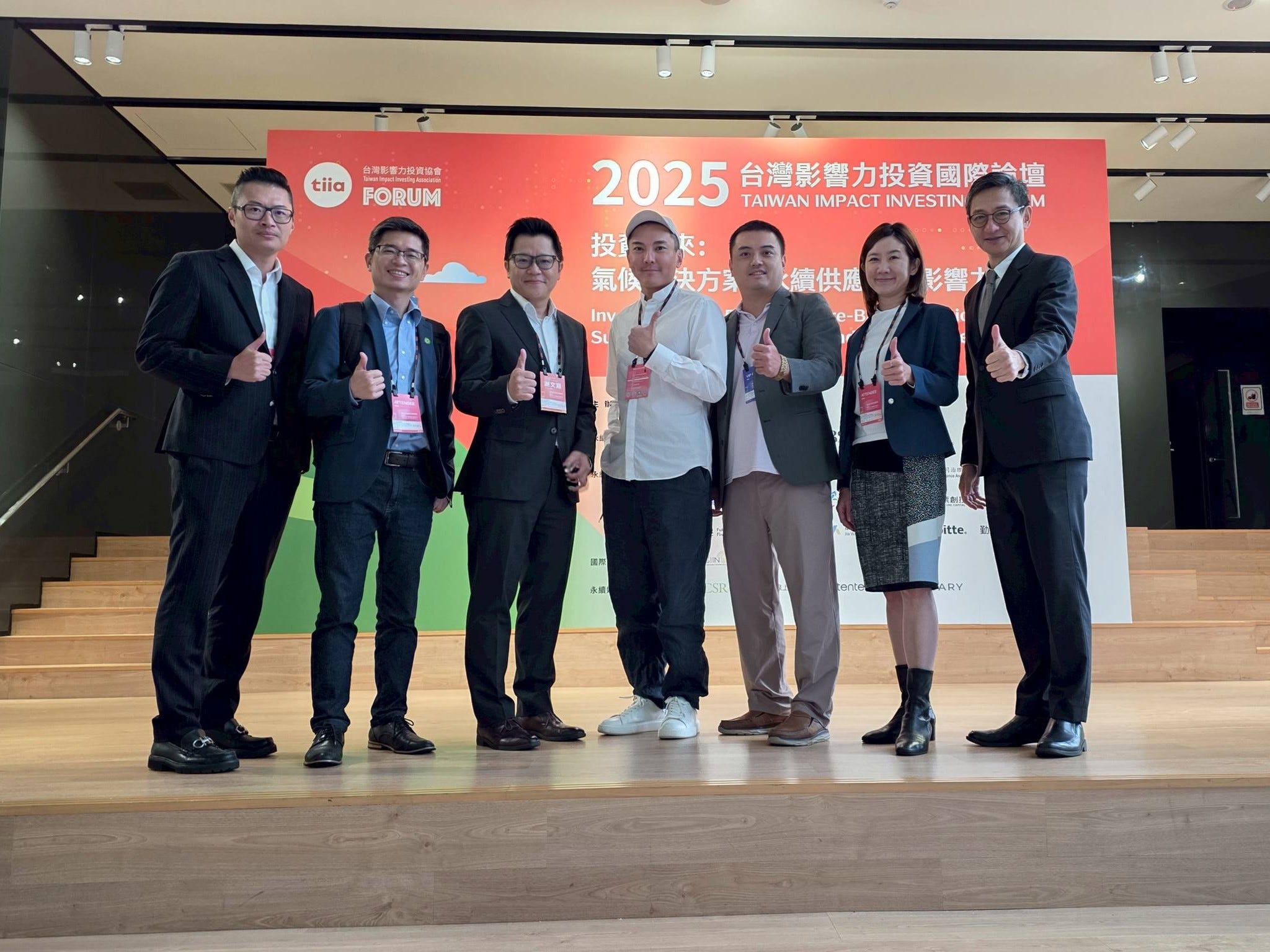
Congratulations to the 2025 Taiwan Impact Investing Forum on its successful conclusion, and to Taiwan Impact Investing Association (tiia) for officially joining the GSG Global Impact Special Taskforce, uniting with 40+ countries to advance the global impact movement.
At Sustainable Impact Capital (SIC), we look forward to continued collaboration with Taiwan Impact Investing Association—mobilizing Taiwan’s talent, innovation, and capital into catalytic force for Asia’s most dynamic impact ecosystem.
#ImpactInvesting #GSGImpact #tiia #TaiwanImpactInvestingForum #TIIF #SDGs #ESG #FamilyOffice #SocialInnovation #DoubleBottomLine #SICGlobal #Taiwan